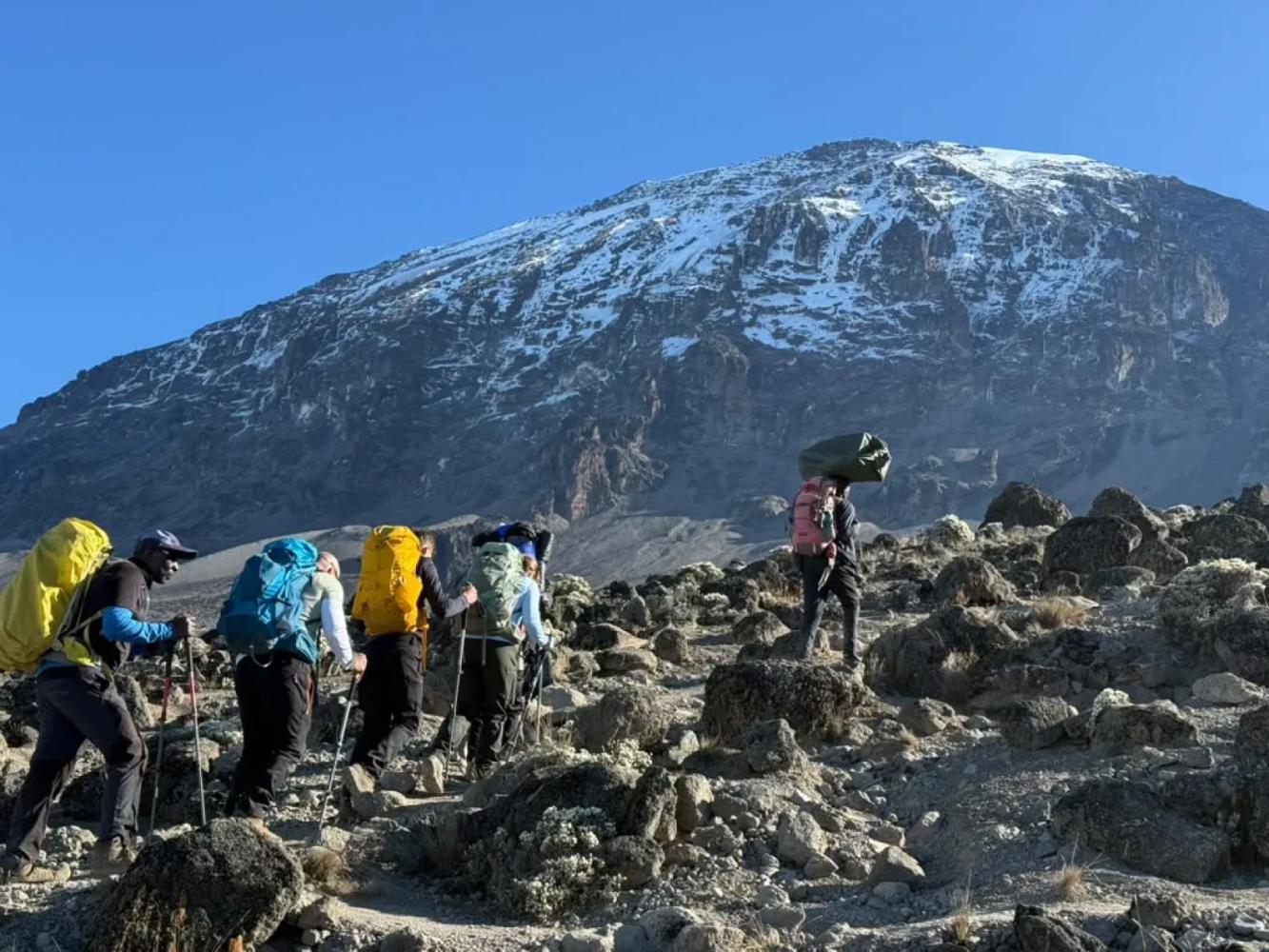
Mount Kilimanjaro
Lemosho Route
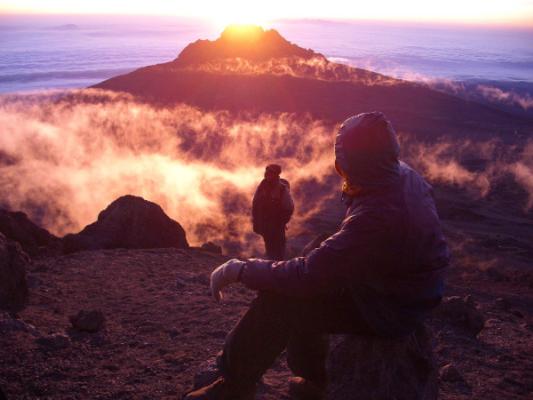
The most beautiful way up: a quiet western start across the Shira Plateau.
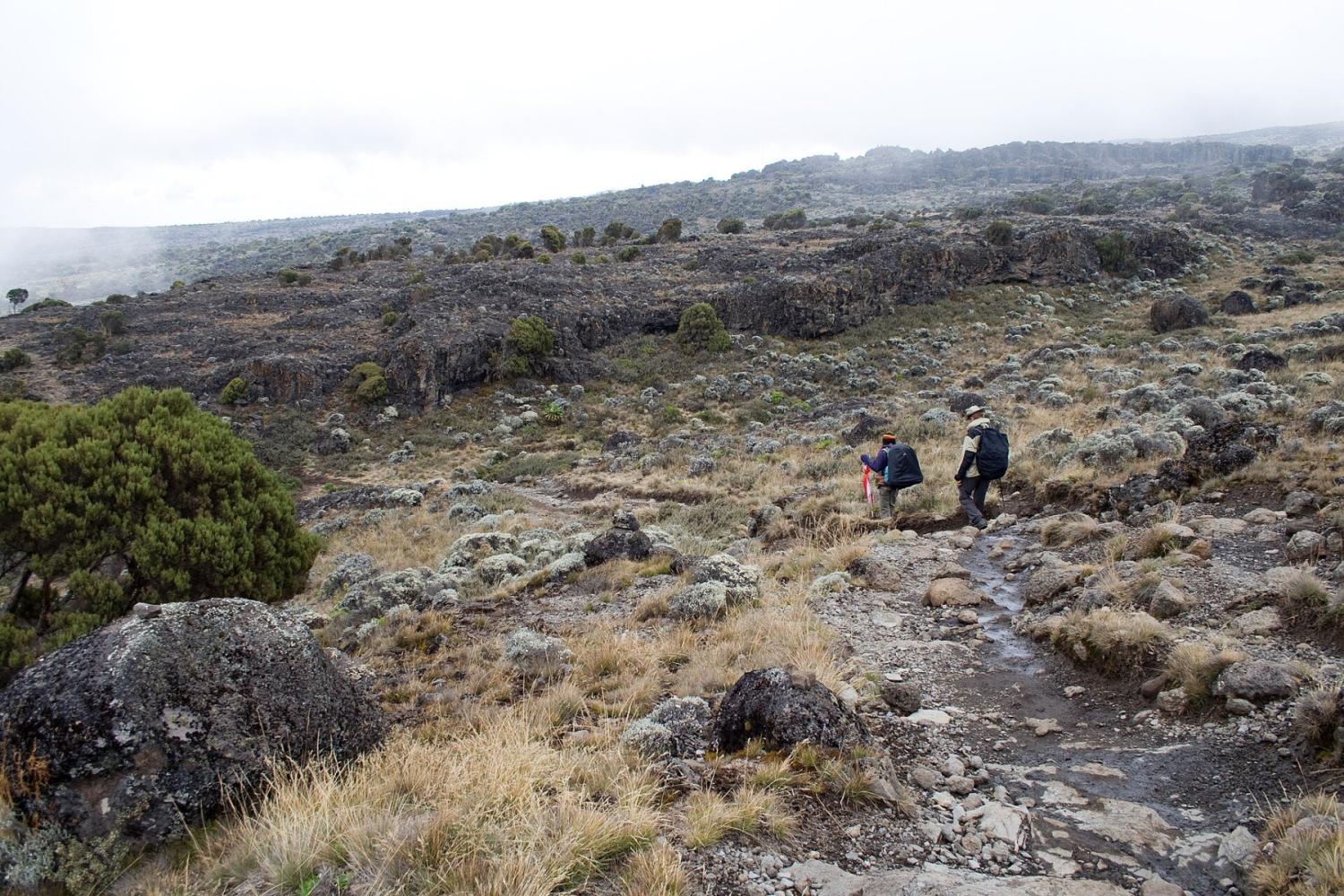
Photo: Stig Nygaard, CC BY 2.0
- Duration
- 7–8 days
- Distance
- 70 km
- Summit
- 5,895 m
- Sleeping
- Camping
- Crowds
- Moderate traffic
- Difficulty
- Challenging
The Lemosho Route approaches Kilimanjaro from the remote west, crosses the whole Shira Plateau and joins the southern circuit. Eight days give excellent acclimatisation and one of the highest summit success rates.
Lemosho is widely considered the most beautiful route on Kilimanjaro. After registering at Londorossi Gate on the far western side of the mountain, you drive to the Lemosho trailhead at about 2,100 m and walk into some of the least-visited rainforest on Kilimanjaro, where black-and-white colobus monkeys are common and buffalo and elephant tracks are sometimes seen.
Across the Shira Plateau
On day two the forest opens onto the Shira Plateau, the remains of Kilimanjaro's oldest volcano, which collapsed some 500,000 years ago. Lemosho is the only route that crosses the whole plateau from west to east, with Kibo's glaciers growing ahead of you for two days. From Shira 2 Camp an optional walk leads to Shira Cathedral for views over the plateau's southern edge.
Joining the Southern Circuit
At the Lava Tower (4,630 m) Lemosho joins the Machame Route and shares its finest days: the descent to Barranco Camp, the Barranco Wall and the traverse to Karanga. By then you have already spent four nights above 2,800 m, which is why climbers on Lemosho arrive at high camp in better shape than on the shorter routes.
Seven or Eight Days
The eight-day itinerary sleeps at both Shira 1 and Shira 2; the seven-day version walks from Mti Mkubwa to Shira 2 in one long day. We recommend eight days: the extra night costs little effort and is the best insurance for the summit.
Why Choose This Route
- A remote western start with far fewer people for the first three days
- The full crossing of the Shira Plateau, with Kibo ahead of you
- Five nights of acclimatisation before high camp on the eight-day climb
- The Lava Tower, Barranco Wall and southern glaciers, shared with Machame
Good to Know
- The drive to Londorossi Gate is longer than to the southern gates
- From the Lava Tower onwards the trail is shared with Machame and gets busier
- Camping only
- Our climbs summit from Kosovo Camp (4,800 m), a permit-only camp above Barafu that shortens summit night by about an hour.
Route Map
Map of the Lemosho Route
The trail as it runs on the ground, with every gate, camp and high point. Press a place in the list to find it on the map.
Altitude
Altitude Profile
How high you climb, and where you sleep. Dips in the line are "walk high, sleep low" days, which help your body adjust.
Day by Day
Lemosho Route Itinerary
This is the plan we follow on our Kilimanjaro Lemosho Route – 8 Days.
Drive from Arusha to Londorossi Gate to register, then continue to the Lemosho trailhead. The first walk winds through untouched montane rainforest, home to colobus monkeys and many birds, to the camp beneath the giant trees.
Overnight: Mti Mkubwa Camp
Leave the forest for giant heather and moorland, climbing onto the rim of the Shira Plateau, with the first wide views of Kibo, the summit cone, ahead.
Overnight: Shira 1 Camp
An easy day across the plateau, with an optional detour to Shira Cathedral, helps your body acclimatise. On clear evenings Mount Meru floats above the clouds to the west.
Overnight: Shira 2 Camp
Climb high to the Lava Tower for lunch, then descend into the Barranco Valley among giant groundsels. Walking high and sleeping lower is one of the best ways to acclimatise.
Overnight: Barranco Camp
Scramble up the Barranco Wall, a highlight of the climb that needs hands but no technical skill, then follow the southern circuit over ridges and valleys to Karanga Camp.
Overnight: Karanga Camp
Climb through alpine desert past Barafu to Kosovo Camp, the highest base camp, which shortens summit night. An early dinner and rest before the summit attempt.
Overnight: Kosovo Camp
Wake around midnight and climb by headlamp from Kosovo Camp up the scree slopes to Stella Point on the crater rim, reaching it as the sun rises over Mawenzi. From there it is about an hour along the rim, past the glaciers, to Uhuru Peak, the highest point in Africa. After photos at the summit, descend to Mweka Camp in the forest for a well-earned dinner and rest.
Overnight: Mweka Camp
A final walk down through the rainforest, often with colobus monkeys in the trees, to Mweka Gate. Collect your summit certificate, say goodbye to the crew and drive back to Arusha for a hot shower and a celebration dinner.
Overnight: Arusha
Good to Know
Lemosho Route: Frequently Asked Questions
Is Lemosho better than Machame? +
They share the same summit approach, but Lemosho starts further west, is quieter for the first three days and spends longer acclimatising. If you have eight days, Lemosho gives you the better chance of reaching the top.
How many days does the Lemosho Route take? +
Seven or eight days on the mountain. We run it over eight days, sleeping at both Shira 1 and Shira 2 camps.
Where does the Lemosho Route start? +
You register at Londorossi Gate (2,250 m) on the western side of Kilimanjaro, then drive to the Lemosho trailhead at about 2,100 m, where the walk begins.
Compare
Other Routes up Mount Kilimanjaro
 6–7 days
We climb this
6–7 days
We climb this
The "Whiskey" Route
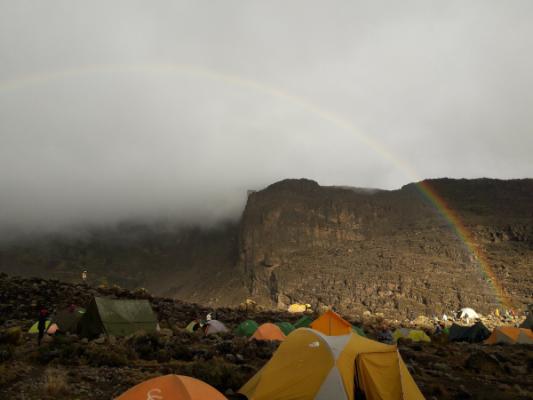
Machame Route
Kilimanjaro's most popular route: rainforest, the Lava Tower and the Barranco Wall.
- Distance
- 62 km
- Difficulty
- Challenging
- Sleeping
- Camping
- Crowds
- Busy
 5–6 days
The "Coca-Cola" Route
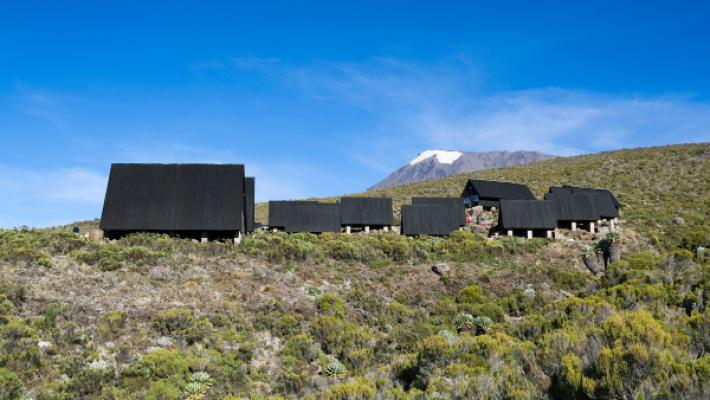
Marangu Route
The only Kilimanjaro route with mountain huts instead of tents.
- Distance
- 72 km
- Difficulty
- Moderate
- Sleeping
- Mountain huts
- Crowds
- Busy
 6–7 days
We climb this
6–7 days
We climb this
Rongai Route
The quiet northern approach, from the Kenyan border side.
- Distance
- 73 km
- Difficulty
- Moderate
- Sleeping
- Camping
- Crowds
- Quiet
Ready to Climb Mount Kilimanjaro?
Tell us your dates, your fitness and what you want to see. We will recommend the mountain and route that give you the best chance of a great climb.
Plan Your Safari