Ngorongoro Crater
A collapsed volcano that shelters one of Africa's densest concentrations of wildlife, including the Big Five.
- Crater floor
- Around 260 km²
- Crater depth
- About 600 m
- Known for
- Black rhino & the Big Five
- From Arusha
- About 3–4 hours by road
Discover Ngorongoro Crater
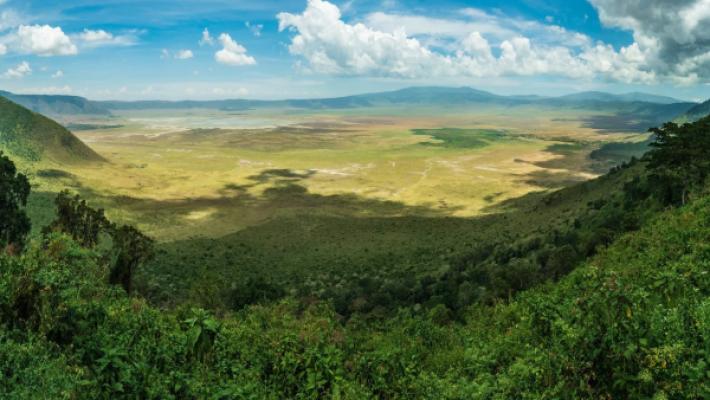
The Ngorongoro Crater is the world's largest unbroken, unflooded volcanic caldera, formed when a huge volcano collapsed in on itself around two to three million years ago. Its walls rise about 600 metres from a crater floor of roughly 260 km², creating a natural enclosure of grassland, swamps, forest and a soda lake that supports an extraordinary density of wildlife. The crater lies within the Ngorongoro Conservation Area, a UNESCO World Heritage Site where the Maasai still graze their cattle alongside wildlife.
Wildlife on the Crater Floor
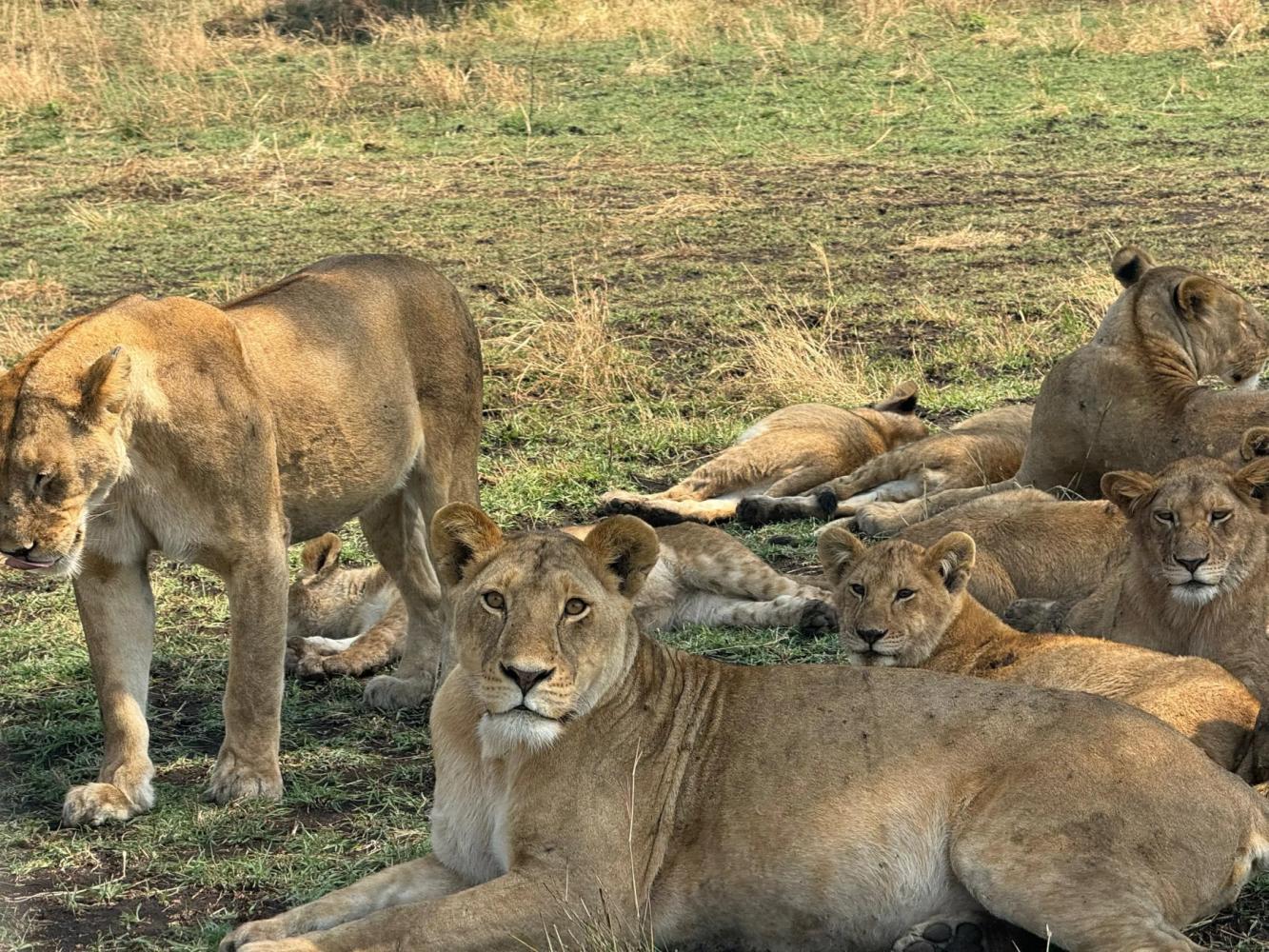
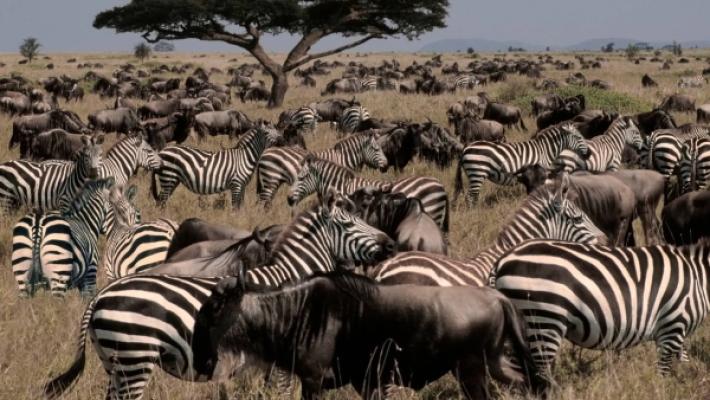
A single game drive on the crater floor can deliver lions, elephants, buffalo, hippos, zebra, wildebeest, spotted hyenas and golden jackals. Ngorongoro is also one of the best places in Tanzania to see the endangered black rhino, making it possible to see all of the Big Five in one day. Flamingos gather on Lake Magadi, hippos wallow at the Ngoitokitok spring, and old bull elephants with huge tusks roam the Lerai Forest.
Visiting the Crater
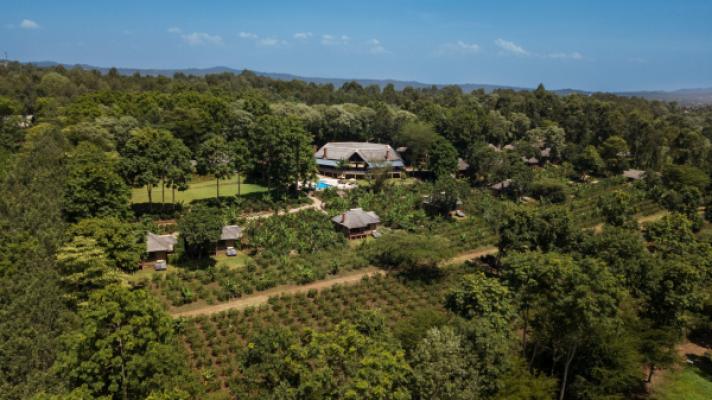
Game drives descend early in the morning, when the light is soft and the animals are active, and spend around half a day on the crater floor. Nights are spent on the forested crater rim, where the air is cool, or in the green farmland around Karatu below it. We recommend an early start and a picnic lunch by the hippo pool.
Getting There
The crater rim is about three to four hours' drive from Arusha on a good tarmac road through Karatu, and it sits on the route between Tarangire, Lake Manyara and the Serengeti, so it fits naturally into almost every northern Tanzania safari.
Where It Is
Ngorongoro Crater on the Map
Why Go
Highlights of Ngorongoro Crater
- The Big Five in a dayLions, leopards, elephants, buffalo and black rhino all live in or around the crater.
- Black rhinoOne of the best places in Tanzania to see this critically endangered species.
- Breathtaking viewsPanoramas from the crater rim across the caldera floor, 600 metres below.
- Lake MagadiA shallow soda lake on the crater floor that attracts flamingos.
- Maasai cultureMaasai herders grazing their cattle across the wider conservation area.
- Olduvai GorgeThe famous site of early human fossils, a short drive from the crater.
Signature Journeys
Ngorongoro Crater Safaris
7 Days
Ngorongoro Crater and Tarangire National Park – 7 Days
From $5,600 to $6,600 per person
8 Days
Ngorongoro Crater, Lake Manyara and Tarangire National Parks – 8 Days
From $6,550 to $7,750 per person
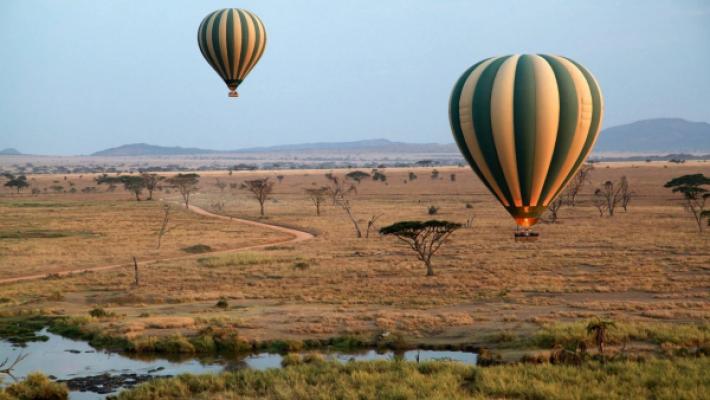
8 Days
Southern Serengeti, Ngorongoro Crater and Lake Manyara – 8 Days
From $8,400 to $8,995 per person
10 Days
Southern Serengeti, Ngorongoro Crater, Lake Manyara and Tarangire – 10 Days
From $10,050 to $11,100 per person
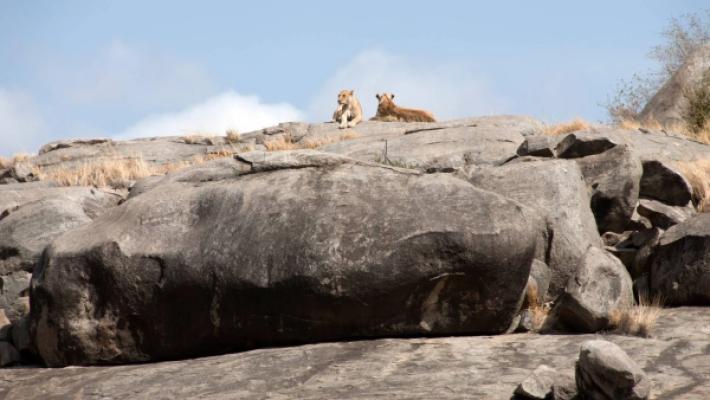
9 Days
Northern Serengeti, Ngorongoro Crater and Tarangire – 9 Days
From $10,450 to $11,400 per person
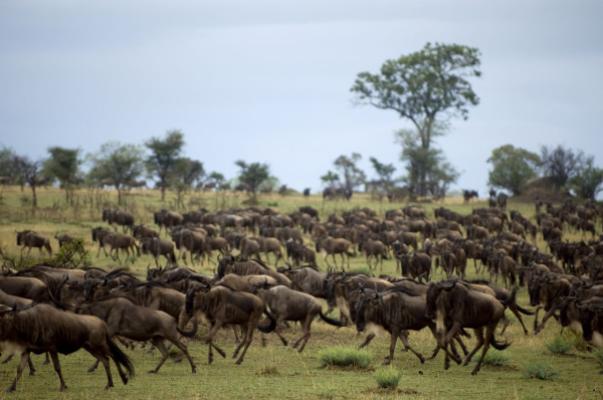
9 Days
Northern Serengeti, Central Serengeti and Ngorongoro Crater – 9 Days
From $11,300 to $11,450 per person
11 Days
Northern Serengeti, Central Serengeti, Ngorongoro Crater and Tarangire – 11 Days
From $13,400 to $13,500 per person
Where to Stay
Lodges & Camps in Ngorongoro Crater
Good to Know
Ngorongoro Crater FAQs
When is the best time to visit the Ngorongoro Crater? +
The crater has wildlife all year because it holds permanent water. June to October is the dry season, with the easiest viewing, while November to May is greener, quieter and beautiful for photography.
Can I see rhinos in the Ngorongoro Crater? +
Yes. The crater is home to a small, protected population of black rhinos and is one of the best places in Tanzania to see them, although they are often seen at a distance.
How long do you spend in the crater? +
A crater game drive usually lasts around half a day on the crater floor. Most visitors descend early in the morning and return to the rim or Karatu in the afternoon.
Where should I stay when visiting the crater? +
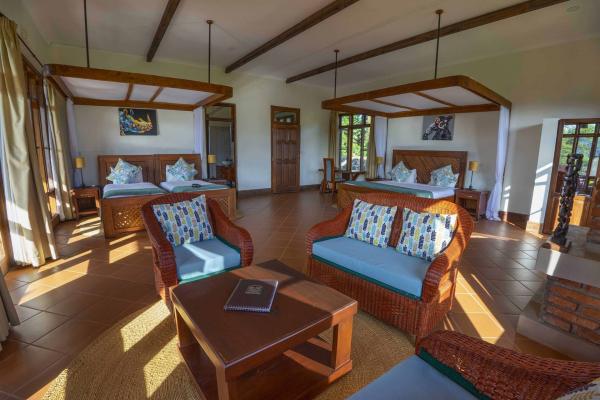
You can stay on the crater rim for the views and an early start, or in the Karatu highlands, about 30 to 45 minutes from the crater gate, where lodges set in coffee farms offer excellent value.
Keep Exploring
More Tanzania Destinations
Plan Your Ngorongoro Crater Safari
Tell us when you'd like to travel and what you'd love to see — we'll design a private itinerary around Ngorongoro Crater.
Plan Your Safari