In this article · 14 sections +
- 01What Makes a Mkomazi Safari Different
- 02Mkomazi at a Glance
- 03Black Rhinos: The Highlight of a Mkomazi Safari
- 04African Wild Dogs and Dry-Country Wildlife
- 05Birdwatching on a Mkomazi Safari
- 06Best Time for a Mkomazi Safari
- 07How to Get to Mkomazi
- 08Mkomazi Park Fees and Safari Costs
- 09Where to Stay
- 10Things to Do Beyond the Game Drive
- 11Sample Mkomazi Safari Itineraries
- 12Practical Tips for Your Trip
- 13Mkomazi Safari FAQs
- 14Plan Your Mkomazi Safari with Us
A Mkomazi safari is the kind of trip most visitors to Tanzania never hear about. Yet this wild park, tucked between the Pare and Usambara mountains, protects black rhinos, African wild dogs and dry-country animals you will not find on the classic northern circuit. In addition, you will often have the sightings to yourself. In this guide, we share what we have learned from planning safaris in Mkomazi, so you can decide if it fits your trip.
What Makes a Mkomazi Safari Different
Mkomazi National Park covers about 3,245 square kilometres (1,250 square miles) of north-eastern Tanzania. Across the border lies Kenya’s Tsavo West National Park, and together the two parks form one of the largest protected areas in East Africa. As a result, elephants and other animals move freely between them.
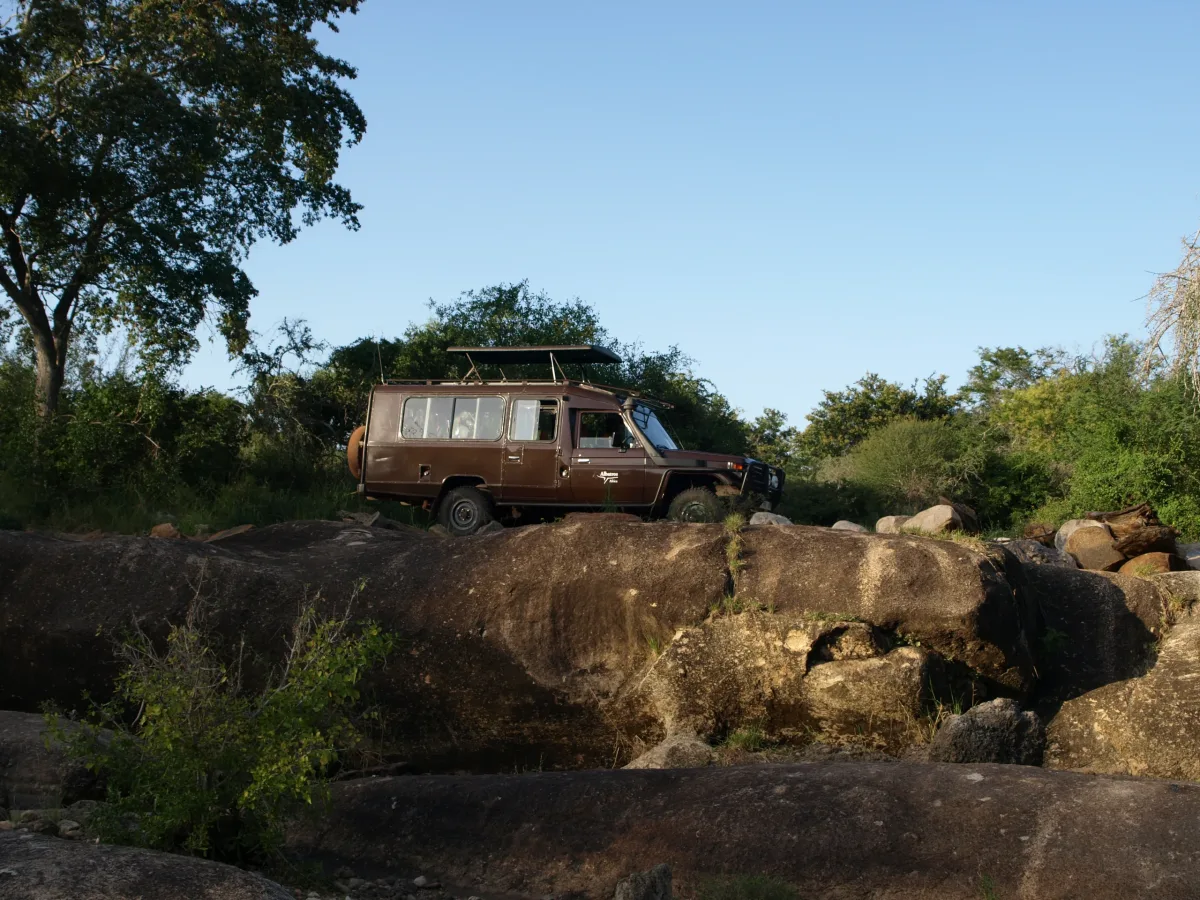
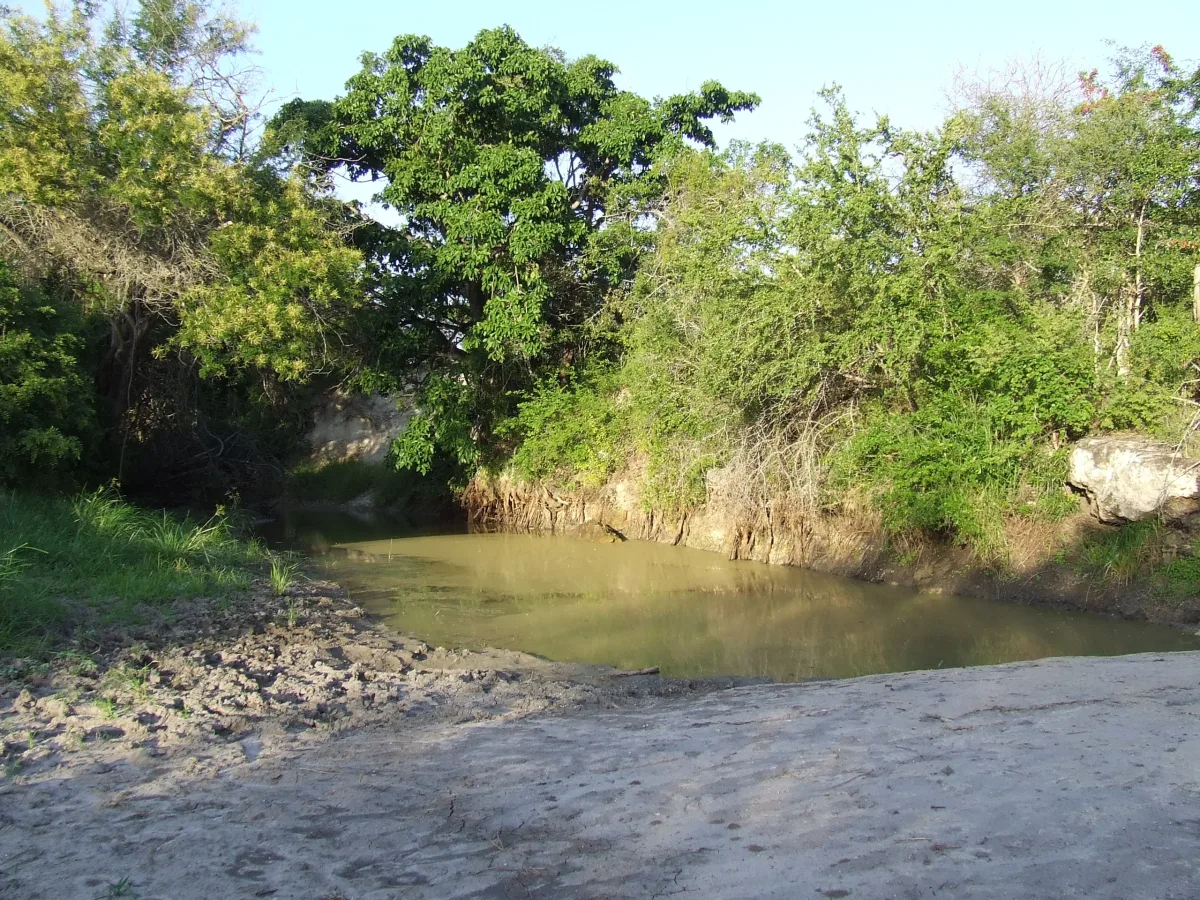
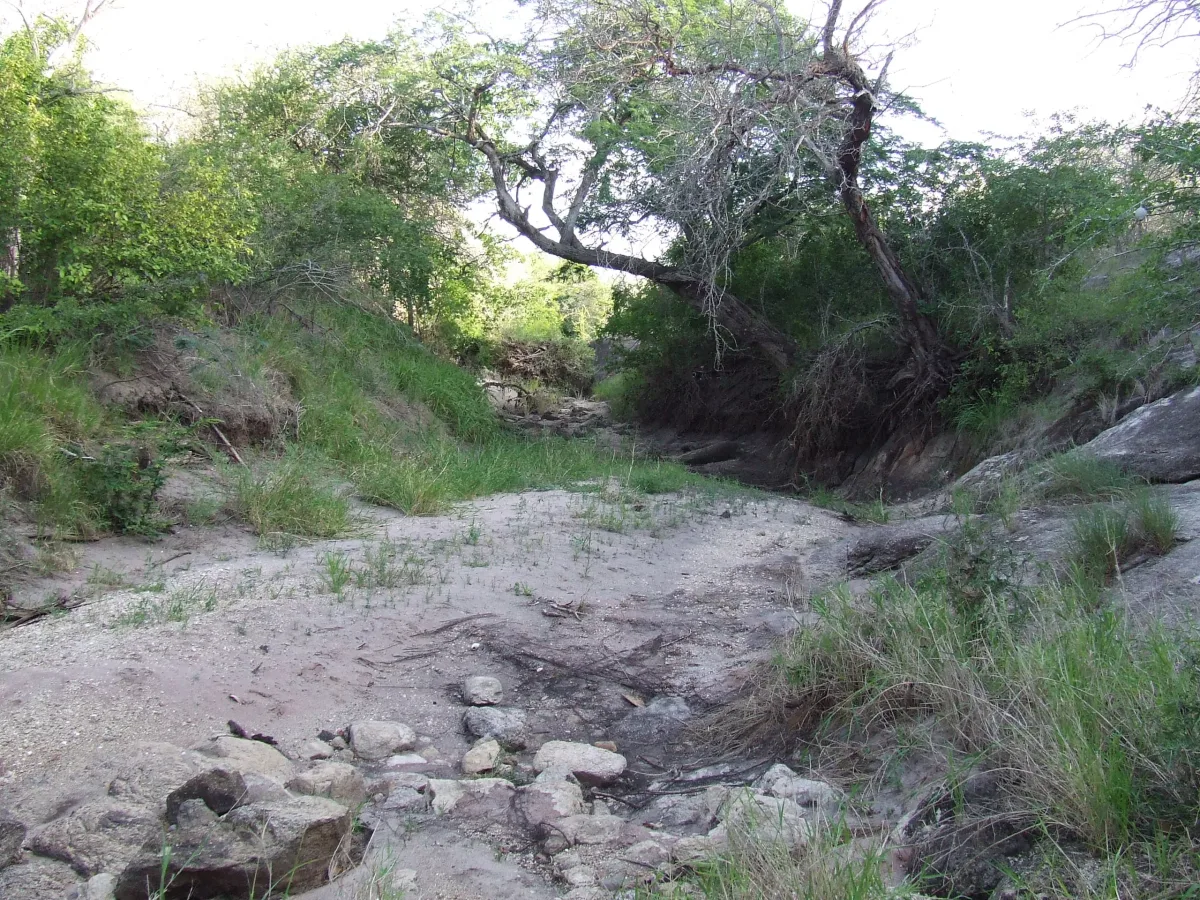
The landscape is not the open grassland of the Serengeti. Instead, you drive through acacia and commiphora bush, past granite hills and seasonal sand rivers. Meanwhile, the blue ridges of the Pare and Usambara mountains rise on the horizon, and on clear mornings you can even see Kilimanjaro.
Above all, a Mkomazi safari is quiet. The park sees only a small share of Tanzania’s visitors, so there are no queues of vehicles at sightings. For travellers who have already done the Serengeti, or who simply want space, that alone makes the trip worthwhile.
Mkomazi at a Glance
| Location | North-eastern Tanzania, on the Kenyan border |
|---|---|
| Size | About 3,245 km² (1,250 sq mi) |
| Known for | Black rhinos, African wild dogs, gerenuk, lesser kudu and over 450 bird species |
| Best time | June to October, the long dry season |
| Gates | Zange Gate near Same; Ndea Gate in Mwanga District |
| From Moshi | About two hours by road |
| Time needed | Two to three days |
Black Rhinos: The Highlight of a Mkomazi Safari
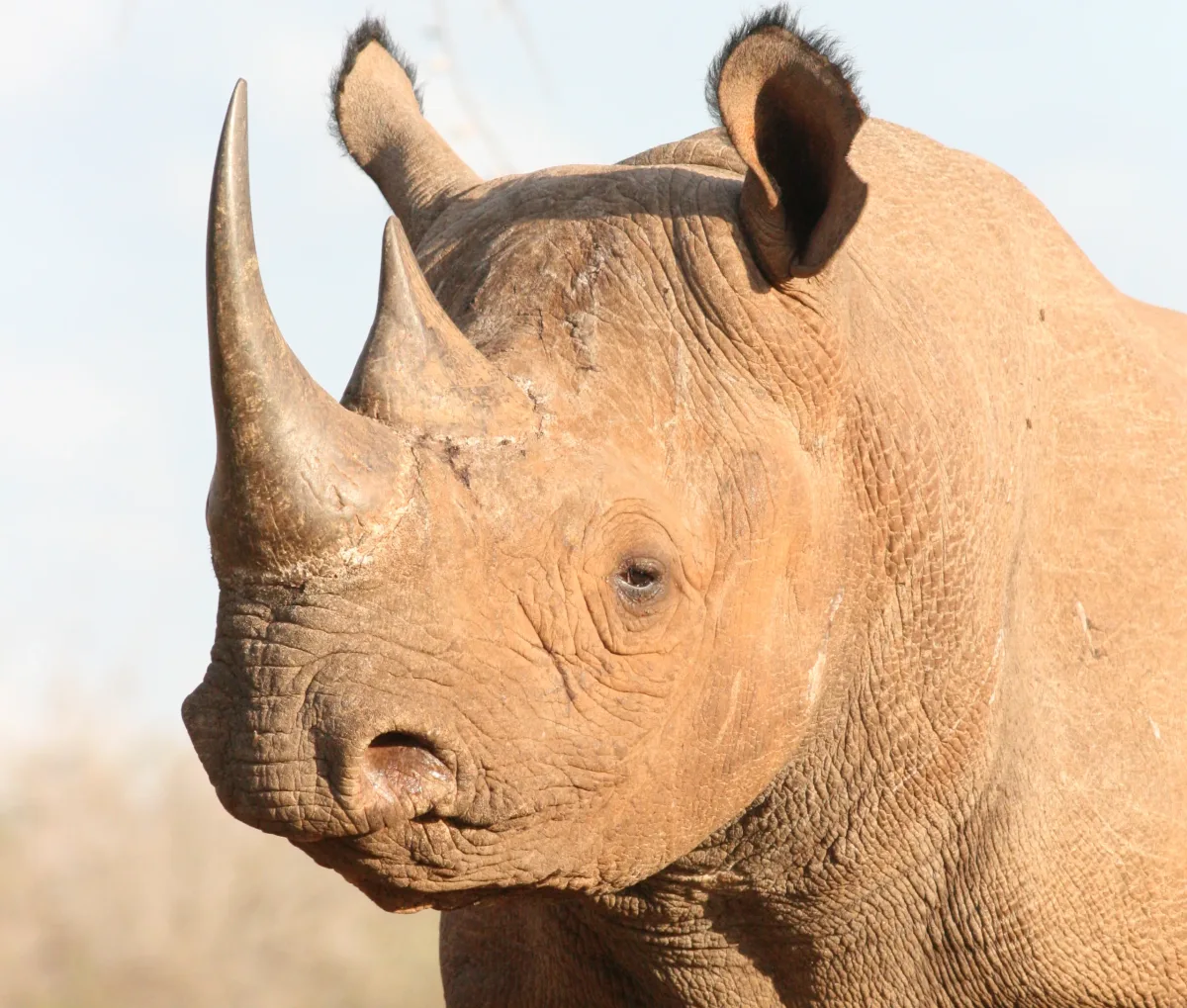
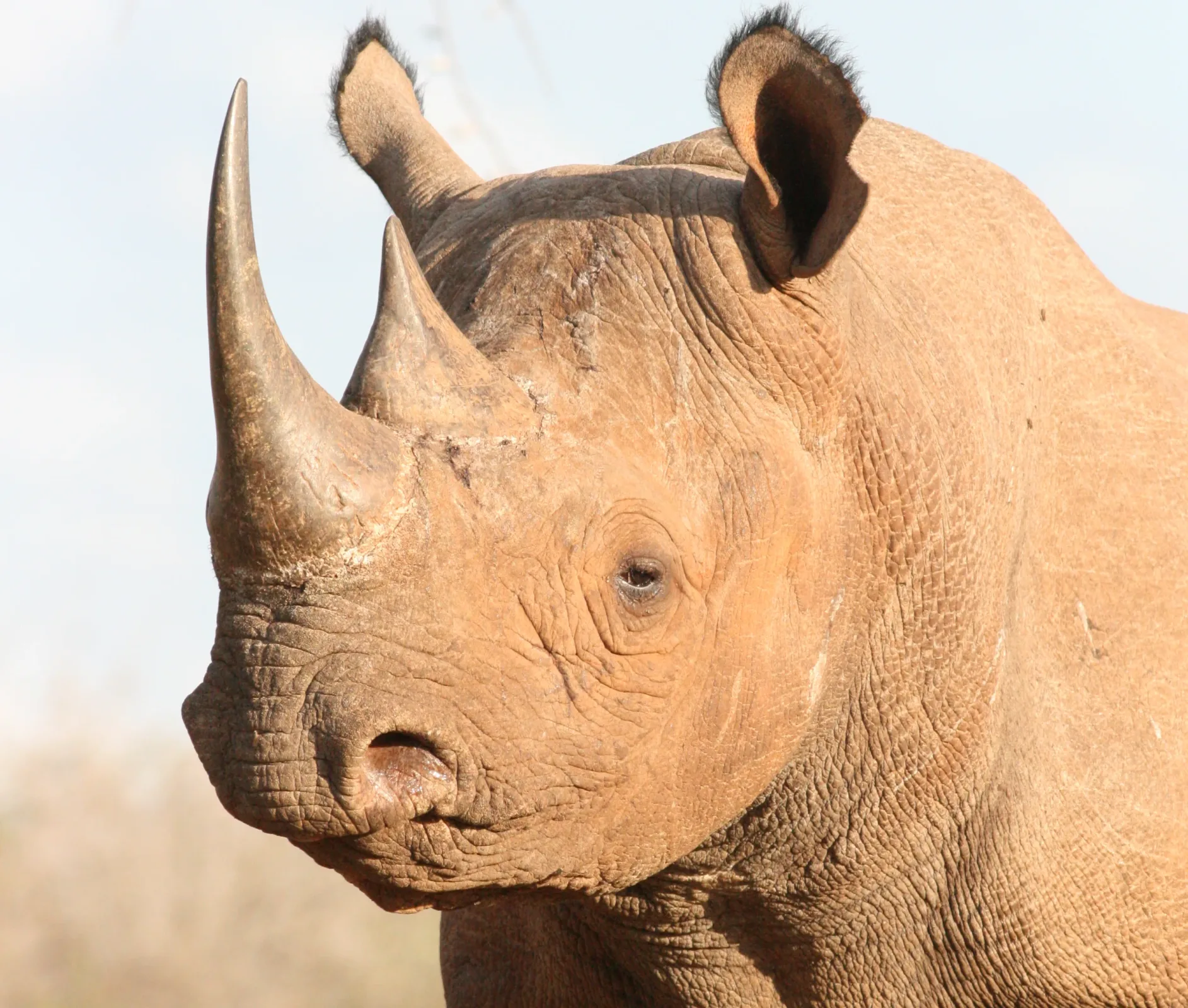
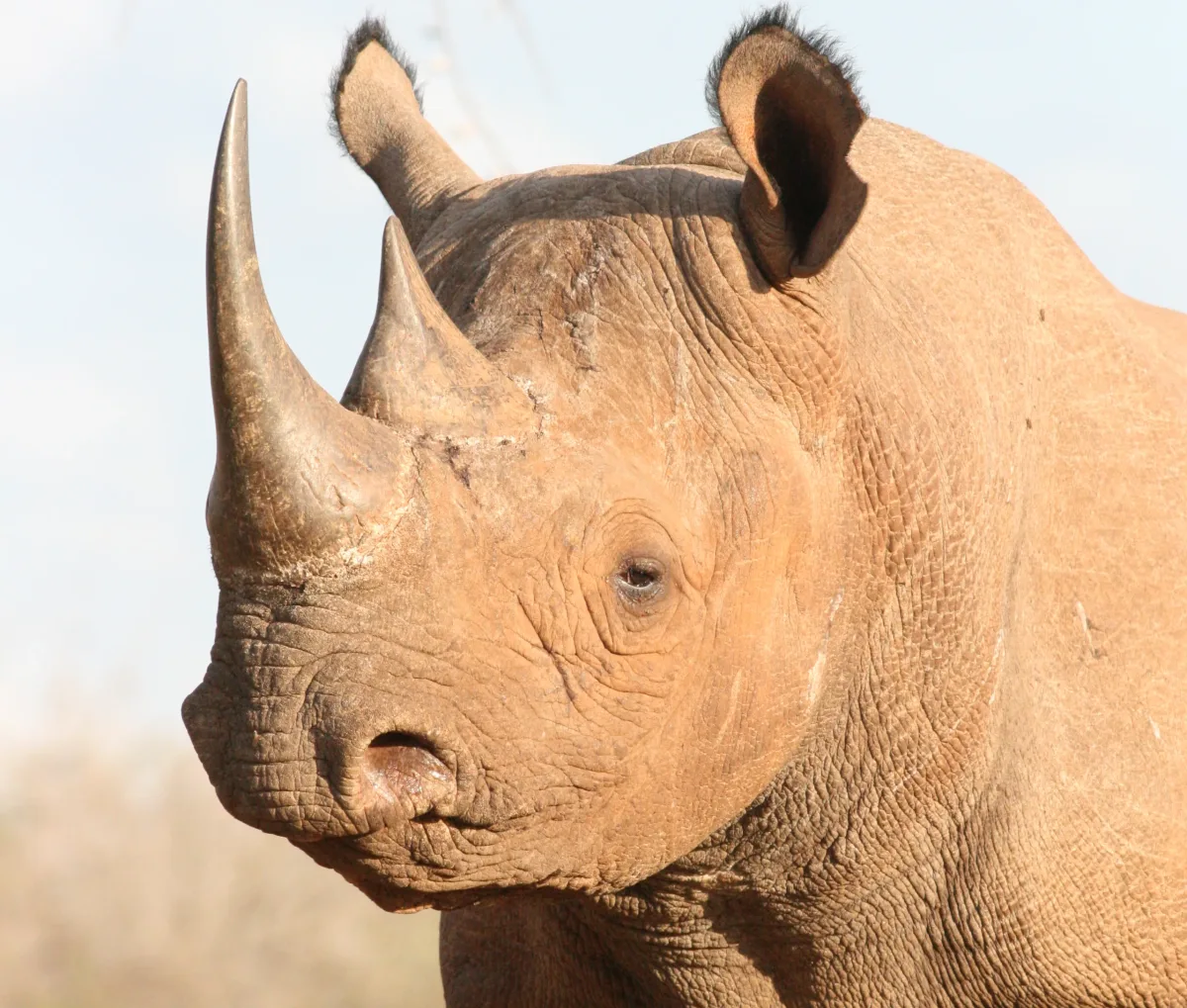
Poaching wiped out Mkomazi’s black rhinos in the 1970s and 1980s. However, the story did not end there. From 1989, the George Adamson Wildlife Preservation Trust and conservationist Tony Fitzjohn worked with the Tanzanian government to restore the reserve. They built the fenced Mkomazi Rhino Sanctuary and then brought in critically endangered eastern black rhinos to breed in safety.
Today, the sanctuary is one of the most important black rhino breeding sites in Tanzania. Visits are possible, but only by prior arrangement and for an extra fee. So if rhinos are the reason for your Mkomazi safari, tell us early and we will request a visit with your booking.
African Wild Dogs and Dry-Country Wildlife
Mkomazi is also known for its African wild dog programme. Over many years, the same conservation team bred wild dogs and released them back into the wild. Sightings are never guaranteed, because the packs range over huge areas. Still, every encounter with these painted hunters is special.
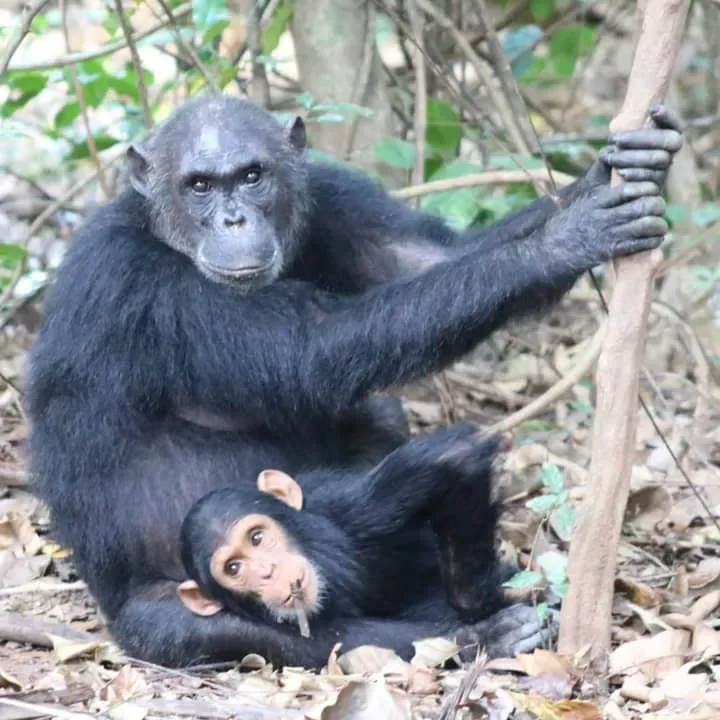
The dry bush suits animals that are rare elsewhere in northern Tanzania. For example, look out for the gerenuk, a long-necked antelope that stands on its hind legs to browse. You may also see fringe-eared oryx and lesser kudu. In addition, elephant, giraffe, zebra, buffalo and eland roam the plains, while lion, leopard and cheetah hunt here too.
Birdwatching on a Mkomazi Safari
For birders, a Mkomazi safari is a real treat. BirdLife International lists the park as an Important Bird Area, and more than 450 species have been recorded. Many are dry-country birds that are hard to find in other Tanzanian parks.
Look for vulturine guineafowl, golden-breasted starlings and several species of hornbill. Then, between November and April, migrant birds from Europe and Asia arrive and the bush fills with song. As a result, the green season is the best time for a birding trip.
Best Time for a Mkomazi Safari
The best time for a Mkomazi safari is the long dry season, from June to October. During these months the bush thins out, animals gather at waterholes and dirt roads are in good shape. January and February are also dry and pleasant.
By contrast, the short rains fall in November and December, and the long rains from March to May. The park turns green and beautiful, yet game is more spread out and some roads can become muddy. Even so, birdwatchers and photographers often love this season.
How to Get to Mkomazi
Most travellers reach Mkomazi by road. The main entrance, Zange Gate, sits near the town of Same, about two hours’ drive from Moshi. From Arusha or Kilimanjaro International Airport, allow roughly three to four hours.
In March 2025, a second entrance opened. The new Ndea Gate in Mwanga District gives a more direct route from the Kilimanjaro side and towards Lake Jipe. We will choose the best gate for your route, and our driver-guide will handle the park formalities.
Mkomazi Park Fees and Safari Costs
Mkomazi has some of the lowest park fees in northern Tanzania. At the time of writing, entry for non-resident adults is around US$30 per person per 24 hours, plus 18% VAT, while children pay less. However, fees change, so we confirm the current rate and include it in your quote.
Your total cost depends on how long you stay, where you sleep and the size of your group. For instance, a visit to the rhino sanctuary carries its own fee. Also note that park gates take card payments, so carry a Visa or Mastercard. For more on cash and cards, read our guide to money and tipping in Tanzania.
Where to Stay
Accommodation is limited, which is part of the charm. Inside the park, Mkomazi Wilderness Retreat offers a comfortable, small camp. Near Zange Gate, Babu’s Camp is a long-standing base under shady trees. There are also public and special campsites for travellers who want to camp under the stars.
Because there are so few beds, book early for the dry season. Alternatively, you can stay in the Usambara Mountains or at Same and visit on a full-day trip.
Things to Do Beyond the Game Drive
- Walking safaris: Explore on foot with an armed ranger and learn to read tracks and signs.
- Rhino sanctuary visit: Learn how the conservation team protects black rhinos, when a visit is arranged in advance.
- Birding drives: Spend a morning with a specialist guide, especially from November to April.
- Lake Jipe: Visit this quiet border lake below the Pare Mountains for birds and village life.
- Sundowners: Watch the sun set over the granite hills with Kilimanjaro in the distance.
Sample Mkomazi Safari Itineraries
Every trip we plan is private and tailor-made. Still, these three ideas show how a Mkomazi safari fits into a wider holiday.
Two Days from Moshi
Drive to Mkomazi in the morning and spend the afternoon on a game drive. The next day, start early to look for wildlife, visit the rhino sanctuary if arranged, and then return to Moshi or Arusha.
Three Days with the Usambara Mountains
First, spend two days on game drives and a guided walk in Mkomazi. Then drive into the cool Usambara Mountains for forest walks and village visits, before you head on to the coast.
After a Kilimanjaro Climb
After your trek, Mkomazi makes a relaxing reward. It is close to Moshi, so you avoid long drives on tired legs. Explore our Kilimanjaro climbs to plan both together.
Practical Tips for Your Trip
- Phone signal: Coverage inside the park is patchy, so download maps and tell family you may be offline.
- Health: Mkomazi is in a malaria area. See our page on health, vaccinations and yellow fever.
- Entry rules: Check our guide to visa and entry requirements before you fly.
- Clothing: Pack neutral colours, a warm layer for early drives, a hat and sunscreen.
- Insurance: Make sure your policy covers emergency evacuation. Our travel insurance guide explains what you need.
Mkomazi Safari FAQs
Is a Mkomazi safari worth it?
Yes, especially if you want quiet game drives, black rhinos and rare dry-country animals. It also pairs well with Kilimanjaro, the Usambara Mountains and the coast.
Can you see black rhinos in Mkomazi?
Yes, at the fenced Mkomazi Rhino Sanctuary. Visits are by prior arrangement and cost extra, so ask us to request one when you book.
How many days do you need in Mkomazi?
Two to three days is ideal. One night is enough for a short visit, but two nights give you more time for wildlife and a walk.
How much does a Mkomazi safari cost?
Park entry is around US$30 per adult per day plus VAT. The full price depends on your lodge, vehicle and group size, and we send a clear quote with everything included.
Is Mkomazi safe to visit?
Yes. As in any wild area, you travel with a professional guide, follow park rules and stay in your vehicle except on guided walks.
Can I combine Mkomazi with Zanzibar?
Yes. Many guests continue to the coast and then fly to Zanzibar for a beach stay after their safari.
Plan Your Mkomazi Safari with Us
Mkomazi rewards travellers who look beyond the famous names. As a local team based in Arusha, we know how to fit it into your route, whether you add it to a northern circuit trip or a Kilimanjaro climb. Read more about Mkomazi National Park, or tell us about your trip and we will plan your Mkomazi safari together.
Sources: Tanzania National Parks (TANAPA), BirdLife International, Daily News Tanzania and Wikipedia.

Written by
Exceptional Safaries
Safari specialists based in Arusha, Tanzania, planning private safaris, Kilimanjaro climbs and Zanzibar holidays for more than ten years.
Meet our teamYour Journey Starts Here
Ready for your own story?
Our team in Arusha will turn this inspiration into a private itinerary, built around your dates and the way you like to travel.